Why Skin & Coat Health Matters
- Barrier against infections & allergens.
- Reflects a well-nourished puppy.
- Promotes bonding with regular grooming.
Did you know that a healthy coat is more than just a pretty sight? It plays a crucial role in your puppy's overall well-being. Discover the essentials of puppy skin and coat health, and ensure your furry friend is thriving!
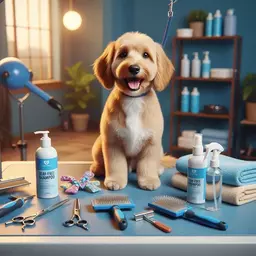
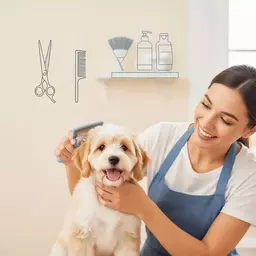
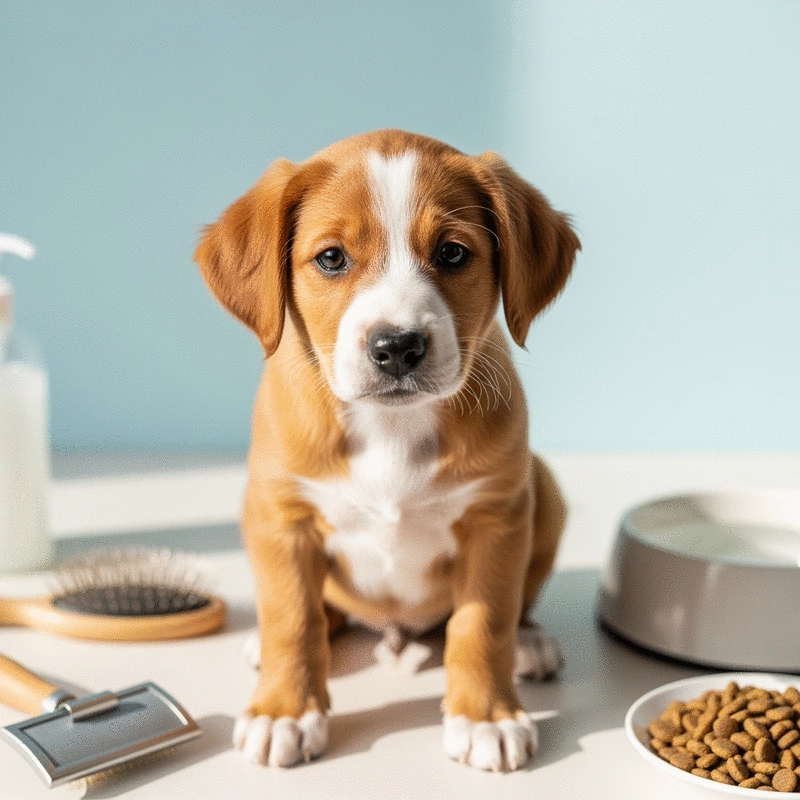
Maintaining your puppy's skin and coat health is crucial for their overall well-being. This visual highlights the essential factors that contribute to a happy and healthy furry friend.
As a devoted puppy parent, you might be wondering why skin and coat health is so essential for your furry friend. Just like us, puppies can experience skin issues that may affect their overall health and happiness. A healthy coat not only looks beautiful but also plays a vital role in protecting your puppy from environmental factors. In this section, we’ll explore the importance of maintaining your puppy's skin and coat health and how it impacts their well-being. For a comprehensive understanding of what a healthy coat signifies, you can refer to resources like VCA Hospitals' insights on coat and skin appearance in healthy dogs.
Understanding these aspects will help you provide the best care possible for your beloved companion!
The importance of skin and coat health goes beyond aesthetics. A well-maintained coat can significantly affect your puppy's comfort and quality of life. Puppies with healthy skin are less prone to irritations and infections. Plus, regular grooming helps you spot any potential issues early on, allowing for timely intervention.
Let’s not forget, a happy puppy usually means a happy owner! When your puppy feels good, they’re more energetic and playful. This leads to a more fulfilling relationship, filled with joyful moments together.
It’s crucial to be vigilant about your puppy’s skin health. Look out for these common signs of skin issues:
Identifying these symptoms early can help you take appropriate action to address them. Remember, if you notice any persistent issues, it’s essential to consult your veterinarian promptly!
Your puppy's coat type can greatly influence their skin health. Different breeds have various coat textures and lengths, each requiring specific grooming techniques. For example, long-haired breeds may be prone to matting, while short-haired breeds might need less frequent grooming but still require regular care to keep their skin healthy. For further reading on this topic, Pinnacle Veterinary Clinic offers valuable information on dog grooming basics and understanding different coat types.
Here’s a quick guide to common coat types:
Understanding your puppy’s coat type will help you develop a tailored grooming routine that keeps their skin healthy and their coat looking fabulous!
Did you know? Regularly incorporating fish oil into your puppy's diet can significantly improve their skin and coat health. Rich in omega fatty acids, fish oil nourishes the skin from the inside out, helping to prevent dryness and irritation while promoting a shiny, healthy coat. Consider consulting your veterinarian for the best dosage and product recommendations! For more insights into maintaining a lustrous coat, Virginia Tech's veterinary experts provide valuable tips for coat health.
A: Healthy skin acts as a vital barrier against infections and allergens, protecting your puppy. A shiny coat is also a strong indicator of a well-nourished and healthy puppy. Regular grooming further promotes bonding and early detection of any issues.
A: Look out for excessive scratching or biting, red or inflamed areas, rashes, flaky or dry patches, and any foul odor emanating from the skin. Early detection allows for timely intervention and veterinary consultation if needed.
A: Different coat types require specific grooming routines. Double-coated breeds need regular brushing to manage shedding, curly-coated breeds require frequent grooming to prevent matting, and smooth-coated breeds need regular baths, though less intensive grooming. Understanding your puppy's coat type helps you tailor their care.
A: Key practices include regular grooming sessions, providing a balanced diet rich in omega fatty acids, ensuring consistent hydration, monitoring for any signs of skin issues (and consulting a vet if necessary), and choosing high-quality grooming products suitable for your puppy's coat type.
A: Absolutely. A balanced diet, particularly one rich in omega fatty acids (like those found in fish oil), nourishes the skin from the inside out. This helps prevent dryness and irritation while promoting a shiny, healthy coat.
As we wrap up our discussion on caring for your puppy's skin and coat, it’s important to remember that a healthy pup starts with proper grooming and nutrition. At Puppies Inc. Grooming, we've seen firsthand how these practices can transform a puppy’s coat from dull to dazzling! Maintaining a routine can help prevent many common skin issues and keep your furry friend looking and feeling their best.
Here are some key takeaways to keep in mind for optimal skin and coat health:
Taking these steps will not only enhance your puppy’s appearance but also contribute significantly to their overall well-being. Remember, a happy puppy is a healthy puppy!
In conclusion, your puppy's skin and coat health is an integral part of their overall vitality. By implementing the best practices we've discussed, you can ensure that your puppy enjoys a life full of joy and comfort. From nutrition to regular grooming and hydration, every aspect plays a role in keeping your furry friend happy.
Don’t forget to enjoy the grooming process as a bonding experience! Take the time to cuddle and praise your puppy during grooming—it makes a world of difference. They will associate grooming with positive feelings, making future sessions much easier.
If you’re looking for more resources and support, I invite you to join the Puppies Inc. Grooming community! Together, we can share knowledge, tips, and experiences that will help us all become better puppy parents. Whether you're a seasoned owner or new to the pet world, you’re welcome here!
Feel free to connect with us on social media or subscribe to our newsletter for the latest updates on puppy care and grooming advice.
We love hearing from fellow puppy owners! Your stories and insights help create a supportive environment for all pet parents. If you’ve had success with a specific grooming technique or product, don’t hesitate to share it with us. Your experiences could make a huge difference for another puppy owner in our community.
Let’s celebrate our furry friends together! Post pictures of your well-groomed puppies, share your tips, and connect with others who are just as passionate about their pets as you are.
Here is a quick recap of the important points discussed in the article:
Lila M. Hartman is a seasoned pet grooming expert with over a decade of experience in the pet care industry. With a deep passion for animals and a commitment to promoting their well-being, Lila specializes in puppy grooming and offers invaluable tips to help pet owners maintain their furry friends' hygiene and health. Her extensive knowledge in coat maintenance and breed-specific styling has made her a trusted source for dog owners seeking professional grooming care.